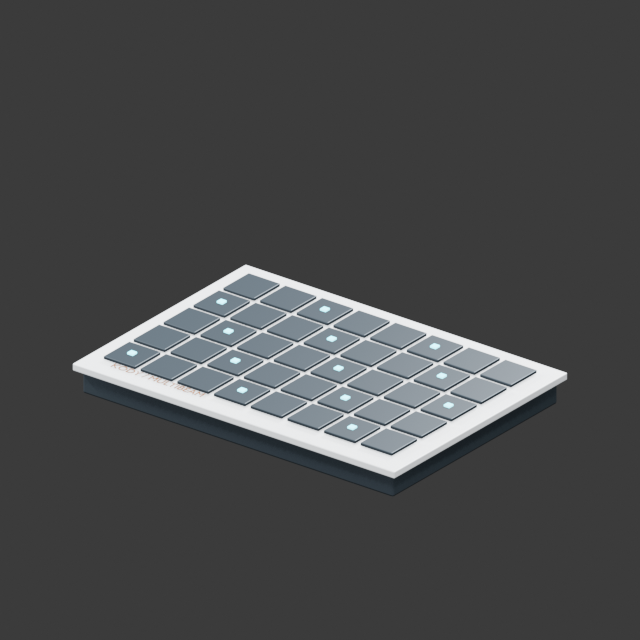
01 / COMMS / RF
BROADBAND PHASED ARRAY
A low-profile electronically steered terminal for high-capacity access to relay constellations.
KMS VISUAL FIELD GUIDE
The complete original KMS hardware concept set: antennas establish the link, routers and processors move traffic, buffers protect data, and specialized payloads turn infrastructure into missions.
MISSION HARDWARE PLATES
KMS models the supporting architecture—routing, compute, buffering, power, pointing, and payload demand—that turns a nominal connection into a useful service.
A low-profile electronically steered terminal for high-capacity access to relay constellations.
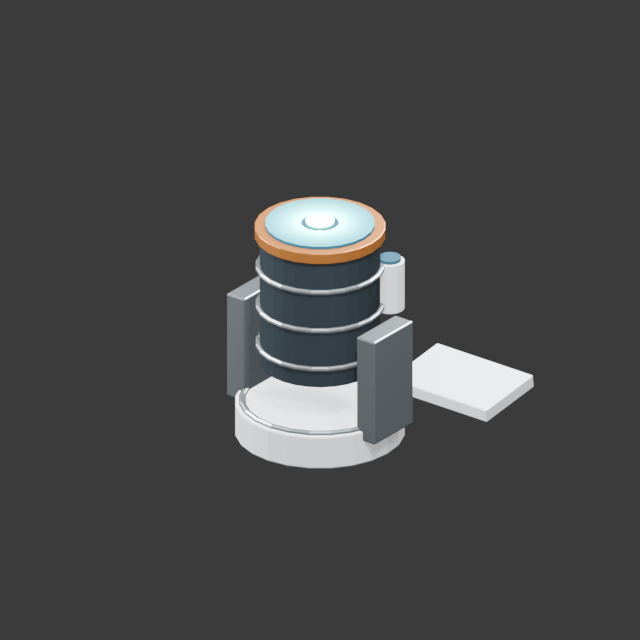
A precision terminal for high-rate crosslinks where pointing, power, and line of sight all matter.
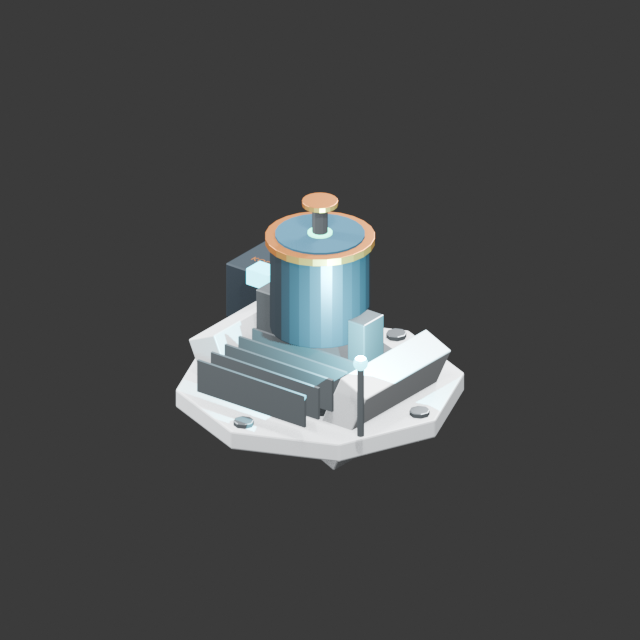
A Kerbin-surface laser gateway that terminates optical mesh traffic without borrowing the space terminal.
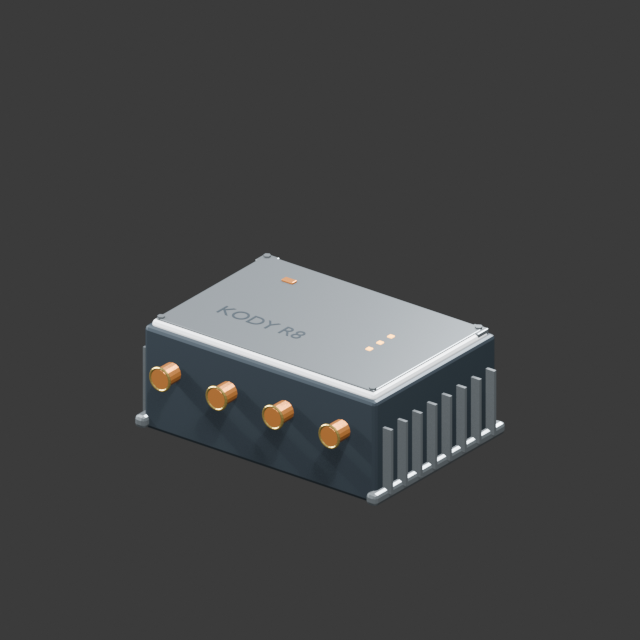
The high-capacity onboard traffic core for complex relay craft and deep-space gateways.
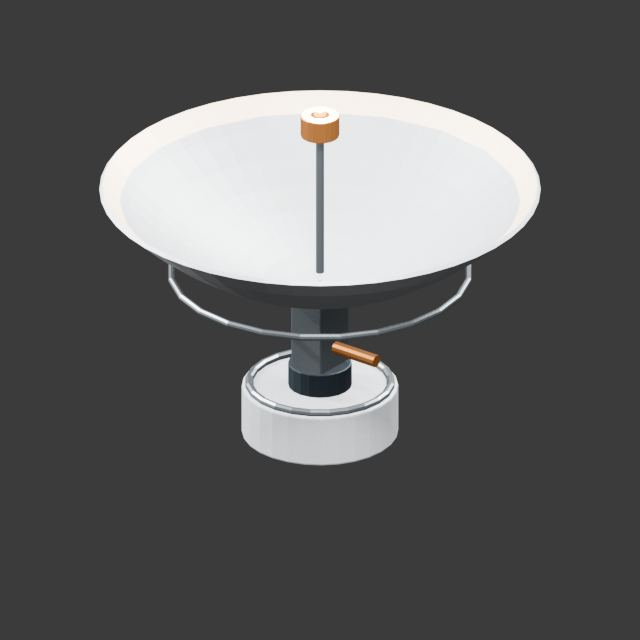
A directional dish that trades field of view and pointing requirements for long-range link margin.
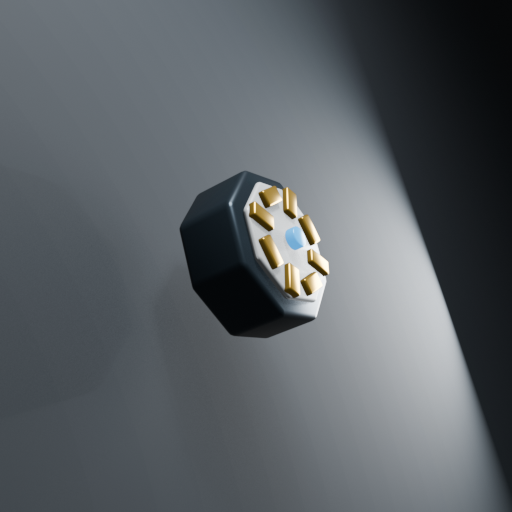
A dedicated payload for constellation ranging, solution quality, and navigation service missions.

A mission sensor designed to connect orbital observation, coverage, data storage, and science return.
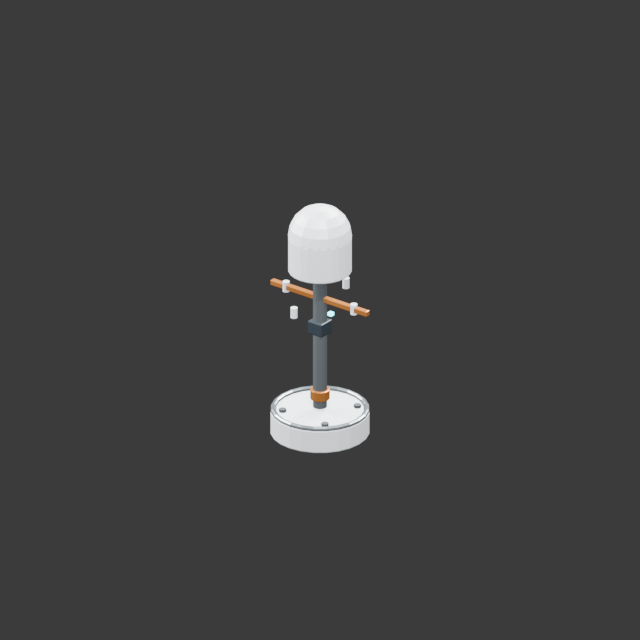
A compact command and telemetry antenna for local control links, probes, and low-capacity service.
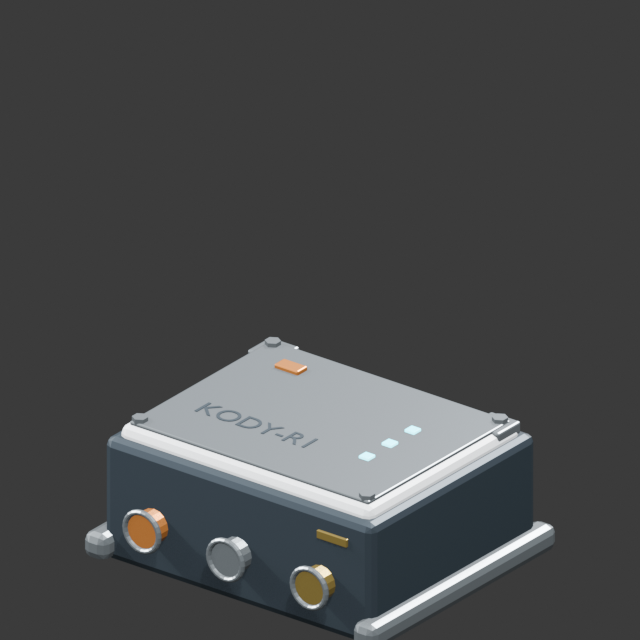
A lighter onboard routing core for probes and small relay spacecraft with modest traffic demand.
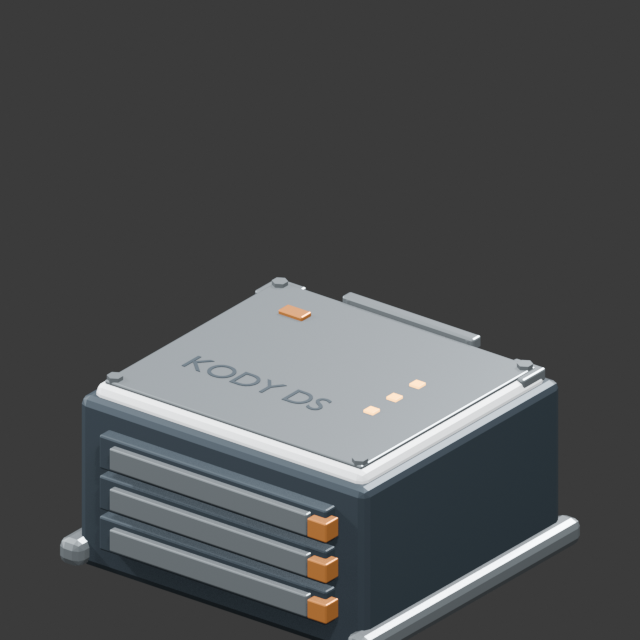
Persistent onboard packet storage that protects admitted science and service traffic through outages.
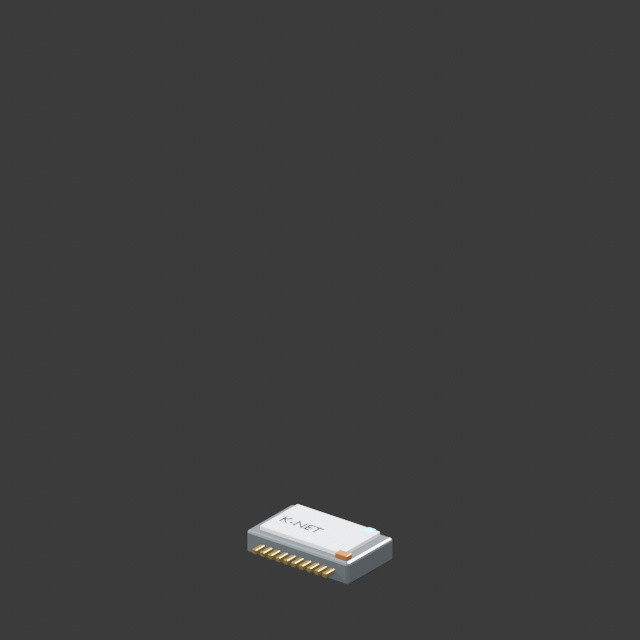
Additional packet-processing capacity for vessels handling competing command, GNSS, telemetry, and science queues.

An experimental payload for characterizing network performance and completing sustained link-research missions.

A protected mission container for recovery objectives and physical science return to Kerbin.
SYSTEM ARCHITECTURE
Links are established by RemoteTech. KMS evaluates their usable throughput, routes competing traffic classes, powers the hardware, buffers interrupted transfers, and exposes the result to navigation, science, and Mission Control.
EXPLORE THE PROGRAM
The operations library covers installation, communications, navigation, science, performance, visuals, and recovery.